Casey Krüger · 12 October 2026
Tech Entrepreneurs and Heritage Restorers Forge Partnerships for Lumeri School Innovation Labs
Tech entrepreneurs in Lumeri have joined forces with heritage restorers to launch shared innovation labs inside local schools, and these facilities combine digital tools with traditional preservation techniques to offset budget shortfalls that have persisted for several years. The effort began gaining momentum earlier this decade when school administrators reported consistent underfunding for STEM equipment and arts programs, while heritage groups sought modern spaces to demonstrate restoration methods to younger audiences.
Background on Lumeri School Funding Pressures
Data from municipal education records shows that many Lumeri schools faced cuts averaging 12 percent in discretionary budgets between 2022 and 2025, and these reductions affected everything from laboratory supplies to field trips focused on local history. Researchers at regional universities tracked how similar districts in neighboring areas turned to private partnerships for relief, and Lumeri officials examined those models before inviting entrepreneurs and restorers to the table.
Heritage restorers brought expertise in materials science and archival documentation, while tech entrepreneurs contributed coding platforms and sensor networks, and together the groups identified overlapping needs that schools could not meet alone. One study released by a European cultural agency noted that integrating preservation skills with digital prototyping often reduces material waste by up to 30 percent, and Lumeri participants adopted that principle when designing the first pilot labs.
How the Shared Labs Operate
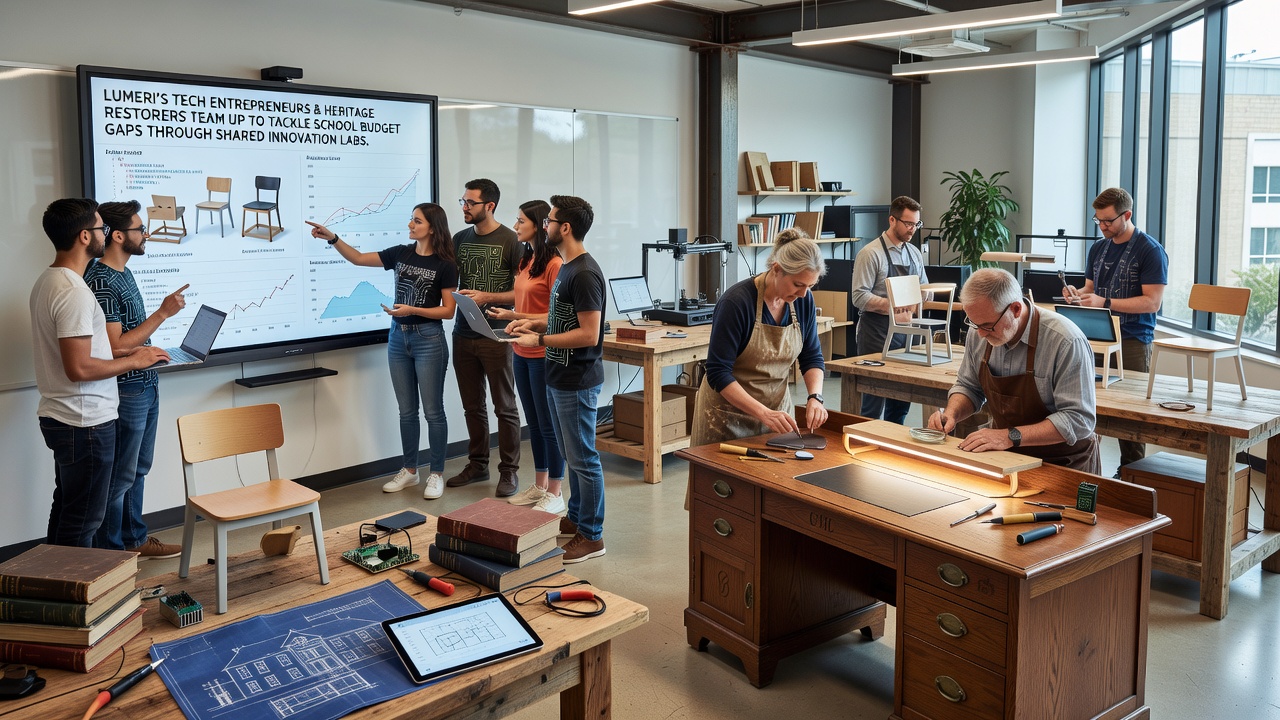
Each innovation lab occupies an underused classroom wing and operates on a rotating schedule that serves both daytime classes and after-hours community workshops, and participants rotate through stations equipped with 3D scanners alongside traditional woodworking benches. Students learn to digitize fragile artifacts for virtual archives while applying code to control climate sensors that protect those same objects, and this dual approach lets schools stretch limited funds across multiple subjects without duplicating purchases.
By October 2026 the network had expanded to five schools, and enrollment data indicated that more than 1,200 students had completed at least one project cycle. External partners supplied open-source software licenses and loaned specialized cameras, while heritage organizations contributed grant-funded restoration kits that remain on site year-round.
Resource Sharing and Budget Impact
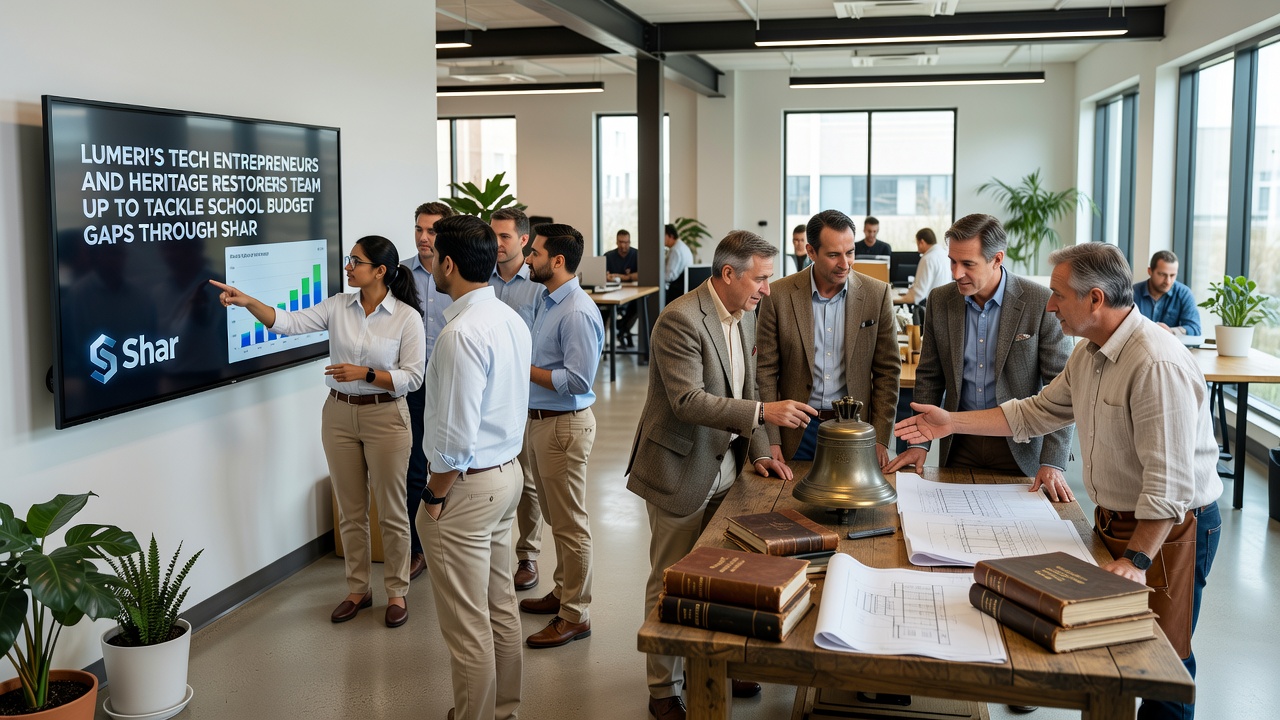
Schools report that pooled procurement lowered annual equipment costs by roughly 18 percent compared with standalone purchases, and the savings allowed administrators to restore field trip budgets that had been eliminated two years earlier. Observers note that the labs also generate small revenue streams when community groups rent the space for weekend workshops, and those funds cycle back into maintenance rather than requiring new tax allocations.
According to figures from the Australian Department of Education, similar hybrid facilities in regional towns achieved comparable cost reductions when cultural and technology sectors collaborated on shared infrastructure. Lumeri coordinators referenced those outcomes during planning meetings yet adapted the framework to fit local heritage sites and school calendars.
Skill Development and Community Reach
Participants acquire competencies in both laser scanning and traditional joinery, and instructors document progress through portfolios that students later present to prospective employers or apprenticeship programs. Heritage restorers gain access to younger volunteers who help document buildings slated for renovation, while tech entrepreneurs test educational applications of their prototypes in real classroom environments.
One pilot project involved mapping the interior of a 19th-century mill using student-built drones, and the resulting models now support both history lessons and structural assessments requested by city planners. The arrangement illustrates how resource sharing extends beyond hardware to include knowledge transfer across generations.
Conclusion
The Lumeri model demonstrates that combining tech entrepreneurship with heritage restoration can address specific budget constraints while expanding learning opportunities for students. Continued expansion depends on sustained coordination between schools, businesses, and cultural organizations, and metrics collected through 2026 will inform whether additional sites open in the following academic year.