Casey Krüger · 9 November 2026
Revitalizing Growth Areas: How Heritage Restoration Ties Job Programs to Health Support Networks
Heritage restoration efforts in expanding regions continue to create direct pathways between employment initiatives and wellness outreach programs, according to data compiled by multiple regional planning agencies through late 2026. These projects combine physical preservation work wth structured job training while embedding mental health and fitness resources at the same sites. Observers note that such integration began gaining traction after 2024 policy shifts in several countries that encouraged cross-sector funding for community development.
Employment Components Within Heritage Sites
Construction teams at restored buildings often receive certifications in traditional masonry and sustainable materials handling, and these same crews participate in scheduled wellness sessions that cover stress management and physical conditioning. Research from the European Commission on cultural heritage shows that participants in combined programs report higher retention rates in local employment compared with standard job placements alone. Training schedules align with outreach calendars so that workers attend wellness modules during paid hours, which reduces barriers for those balancing multiple responsibilities.
Wellness Integration Models
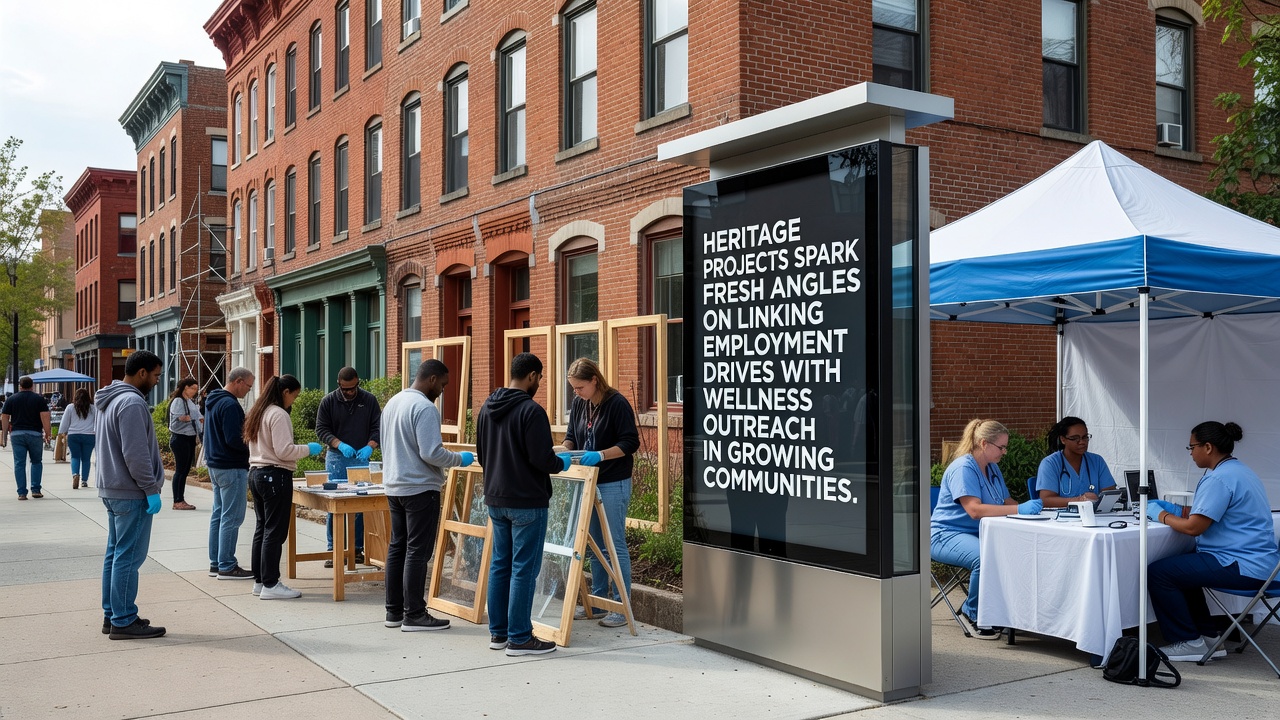
Health providers set up temporary clinics inside or adjacent to heritage properties undergoing renovation, offering screenings and counseling that tie directly into the physical demands of preservation labor. In November 2026, several sites across North America and Europe expanded these clinics to include family members of workers, extending the reach of support services beyond the immediate workforce. Figures from the Australian Department of Climate Change, Energy, the Environment and Water reveal that communities adopting this dual approach saw measurable drops in workplace injury claims during the same period.
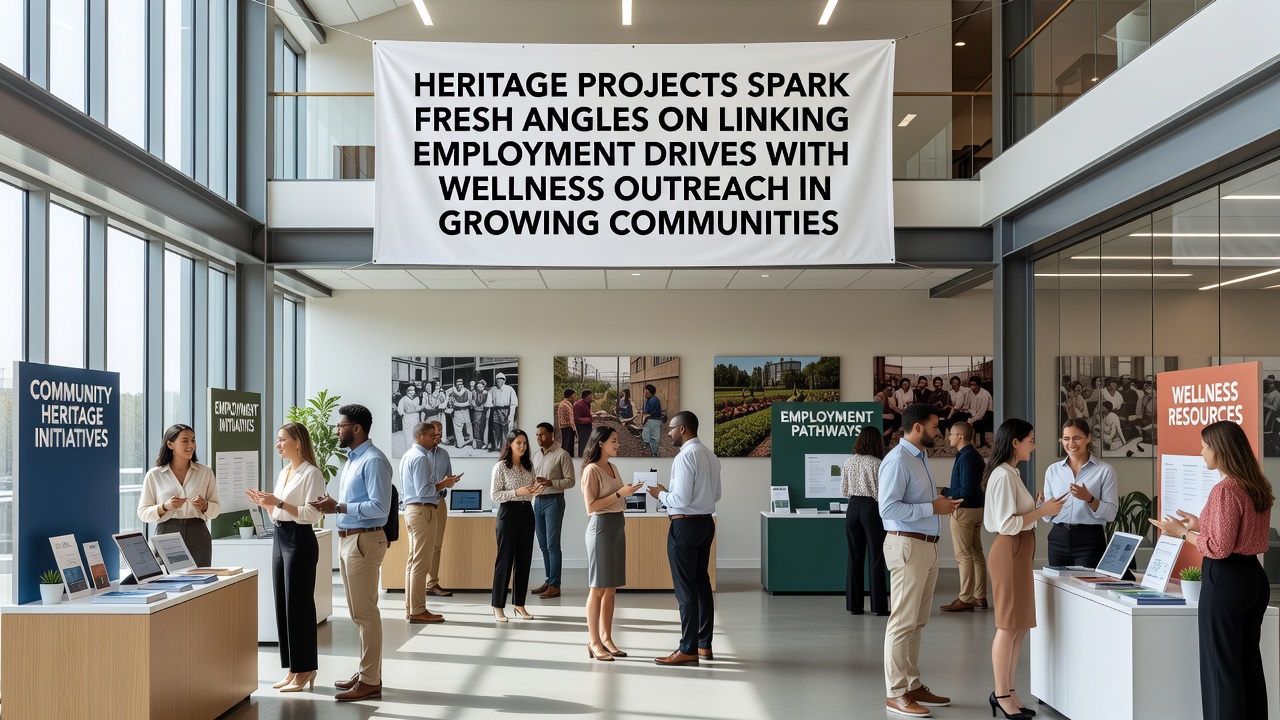
Partnerships between preservation trusts and public health departments supply equipment and staff, while local governments contribute matching funds for program continuation. Data indicates that these arrangements lower overall administrative costs because shared facilities and coordinated outreach eliminate duplicated efforts. Those who have tracked outcomes across multiple sites report that participants maintain engagement longer when employment and wellness activities occupy the same physical space.
Community Expansion Patterns
Growing neighborhoods benefit when heritage projects anchor new residential zones, because restored landmarks attract both employers seeking skilled labor and service providers focused on preventive care. Studies compiled by the Canadian Institutes of Health Research found correlations between preserved cultural assets and increased participation in community fitness programs among new residents. Job drives at these locations prioritize hiring from surrounding areas, which keeps training and support resources localized rather than centralized in distant urban hubs.
November 2026 updates from several municipal records show additional funding rounds that explicitly require heritage sites to allocate space for wellness partners. This requirement stems from earlier pilot results that demonstrated improved long-term employment stability when health services ran alongside skill-building activities. Observers tracking these developments point to reduced turnover in construction crews and higher enrollment in follow-up health programs as consistent outcomes across different regions.
Funding and Partnership Structures
Grants from international bodies and national agencies now frequently stipulate that heritage work must incorporate measurable wellness components. The European Commission on cultural heritage has published guidelines that encourage applicants to document both job creation metrics and health service utilization rates within single project proposals. Similar language appears in Canadian federal community development frameworks, which link preservation funding to local employment targets and preventive care benchmarks. These overlapping criteria encourage organizations to design programs that serve multiple objectives without separate administrative streams.
Conclusion
Heritage projects continue to function as practical hubs where employment drives and wellness outreach operate in tandem within growing communities. Evidence gathered through 2026 demonstrates that integrated models produce sustained participation and measurable resource efficiencies across diverse geographic settings. Continued documentation of these efforts will clarify which combinations of training, health services, and preservation work yield the strongest results for expanding populations.