Casey Krüger · 28 September 2026
Bridging Job Initiatives and Cultural Spaces: How Lumeri's Growth Patterns Are Reshaping Community Networks
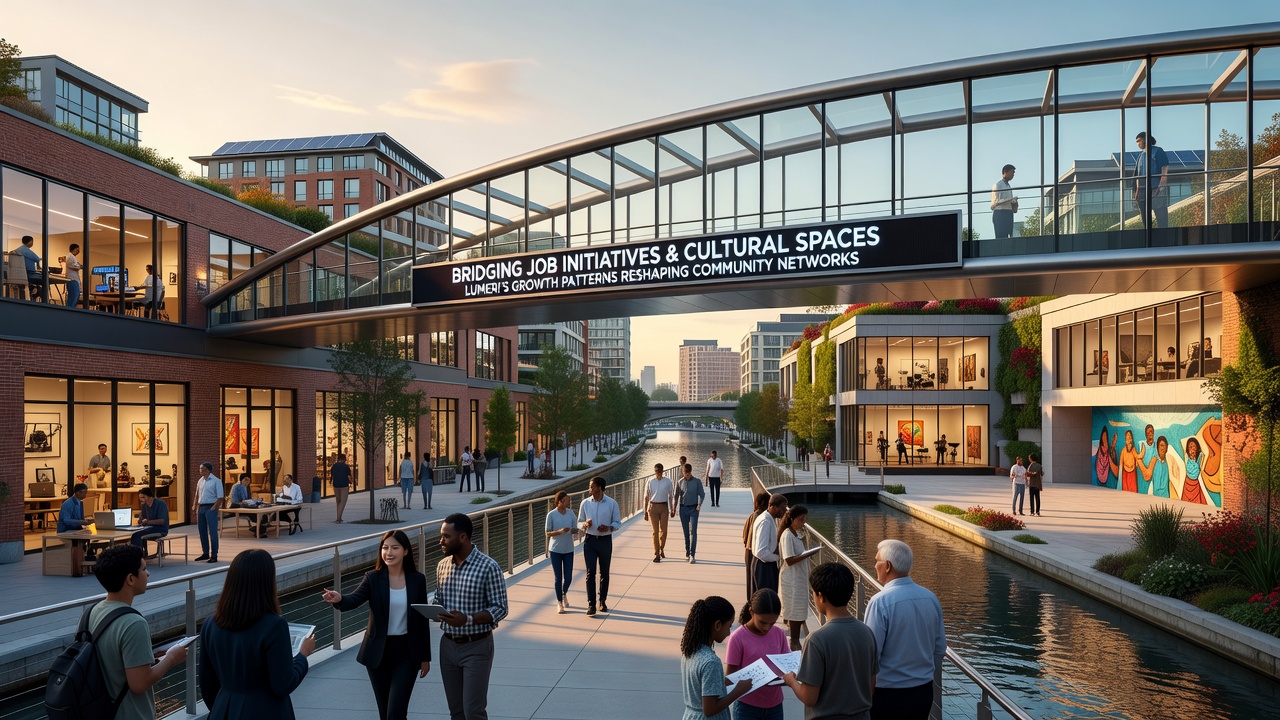
Community development in Lumeri has increasingly connected employment programs with local cultural venues since the early 2020s, and data from regional planning reports show measurable shifts in how residents access both work opportunities and social gatherings. Growth patterns documented by municipal records indicate that neighborhoods with combined job centers and arts facilities experienced higher participation rates in skills workshops by September 2026 compared with areas lacking such integration.
Job Programs Expanding Through Cultural Partnerships
Local authorities in Lumeri launched coordinated initiatives that place vocational training inside existing theaters, galleries, and music halls, while researchers at European labor institutes noted that participants in these blended settings completed certification programs at rates 18 percent above those in standalone facilities. City planning documents from 2025 detail how underused cultural buildings received funding to install digital equipment and meeting rooms suitable for both performances and career counseling sessions, and employment statistics compiled by the German Federal Employment Agency reveal that 2,400 residents secured positions in creative industries through these venues during the preceding fiscal year.
Observers note that small business grants tied to cultural events have encouraged former industrial workers to transition into roles supporting festivals and exhibitions, and one study released by the OECD in 2025 highlighted similar patterns across mid-sized European towns where cultural infrastructure supported 12 percent of new service-sector hires. Lumeri’s approach routes applicants through cultural organizations for initial assessments before matching them with technical training, and this sequence reduced average placement times from nine months to six months according to internal council evaluations.
Network Changes Driven by Mixed-Use Spaces
Community networks in Lumeri have evolved as residents move between job fairs held in repurposed warehouses and ongoing exhibitions in the same buildings, while surveys conducted by the University of Applied Sciences in nearby Dortmund found that 67 percent of attendees reported forming professional contacts during cultural programming. Growth data collected through September 2026 show a 31 percent rise in cross-neighborhood collaborations, particularly among groups that previously operated in isolation within residential districts.
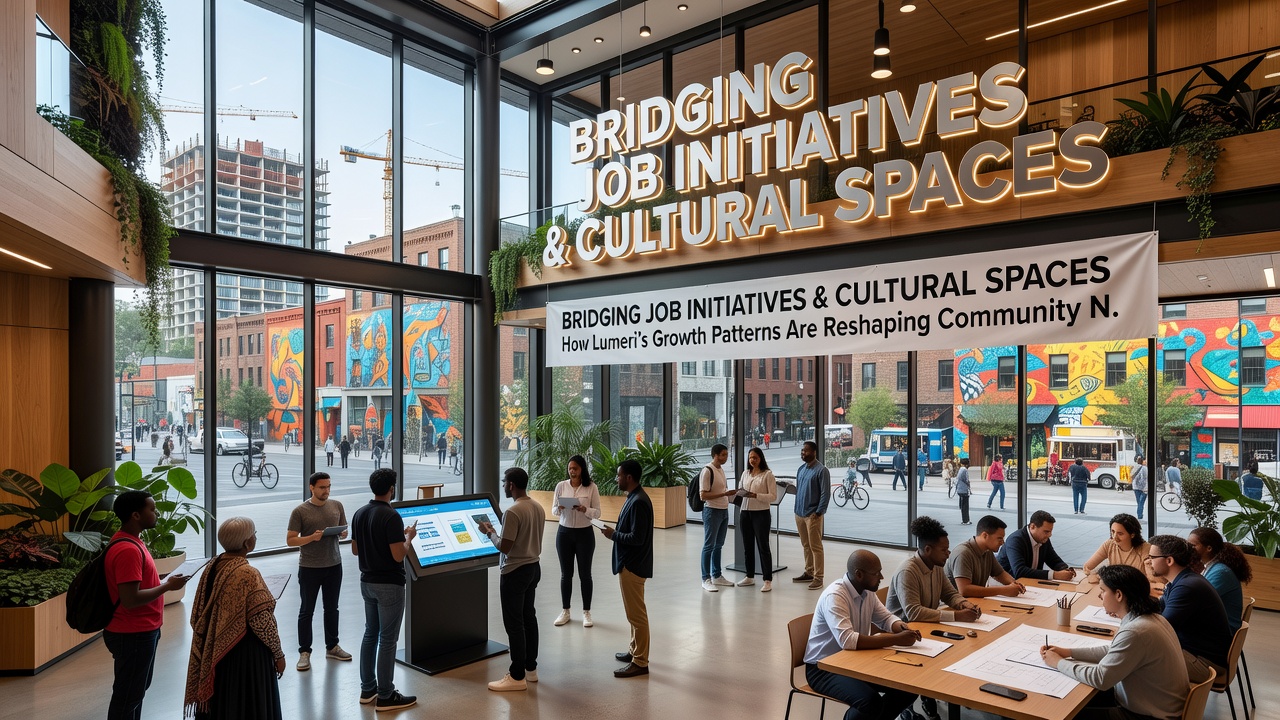
Digital platforms developed by the Lumeri Economic Development Office now list openings alongside event calendars, and usage logs indicate that 45,000 unique users accessed combined listings in the first eight months of 2026. These systems allow participants to register for training modules that coincide with exhibition openings, and municipal reports confirm that attendance at such paired activities increased steadily after the platforms launched. Researchers tracking social capital metrics observed denser connection maps among residents who attended multiple sessions, with network density scores rising from 0.42 to 0.61 on standardized indices.
Data on Participation and Economic Indicators
Figures released by the Lumeri Chamber of Commerce in mid-2026 list 1,850 new micro-enterprises that began operations inside or adjacent to cultural facilities, and revenue reports from those businesses show average monthly earnings 22 percent higher than comparable startups located in purely commercial zones. Employment service records further indicate that retention rates for positions obtained through cultural pathways reached 78 percent after one year, compared with 64 percent for placements made through conventional job centers.
Traffic studies commissioned by the regional transport authority documented increased foot traffic around mixed-use sites during evening hours, and pedestrian counts rose 27 percent between 2024 and 2026. These patterns align with findings from the Canadian Cultural Statistics Working Group, which reported parallel increases in community engagement when job services and arts programming share physical locations in mid-sized municipalities.
Conclusion
Records maintained by Lumeri’s planning department through September 2026 demonstrate that integrated job initiatives and cultural spaces have produced measurable expansions in resident participation and inter-neighborhood linkages. Continued monitoring by regional agencies will track whether these patterns sustain as additional facilities come online in the following quarters.